Introduction
Indian Glider Challenge is a revolutionary desi mobile game that has redefined the endless runner genre in India since its launch on 15th August 2022—coinciding with India’s 75th Independence Day, a deliberate nod to the game’s deep-rooted national pride and cultural identity. Developed by a team of young Indian engineers and designers hailing from Bengaluru, Pune, and Chennai, and published by Daman Games, this title stands out in the crowded mobile gaming market by seamlessly blending heart-pounding gameplay with authentic Indian cultural elements, making it more than just a game—it’s a celebration of Bharat’s rich diversity and heritage.
Unlike many international endless runners that feature generic settings, characters, and storylines, Indian Glider Challenge puts players in the shoes of relatable desi protagonists, allowing them to fly through some of the country’s most beloved landmarks and partake in festivals that resonate with every Indian household. From the snow-capped peaks of the Himalayas to the sun-kissed beaches of Goa, from the vibrant streets of Mumbai during Diwali to the colorful lanes of Jaipur during Holi—every level in the game feels like a virtual journey across India, right from the comfort of one’s mobile phone.
Key Facts About Indian Glider Challenge
- Developer: Indian Gaming Collective (IGC)
- Publisher: Daman Games
- Release Date: 15 August 2022 (India’s Independence Day)
- Platforms: Android (8.0+), iOS (12.0+)
- File Size: 45MB (Android), 52MB (iOS)
- Rating: 4.5/5 (100,000+ reviews)
- Downloads: 6 crore+ (as of 2025)
- Supported Languages: 15 Indian languages + English
- Game Modes: Endless Mode, Mission Mode, Festival Mode
What truly sets Indian Glider Challenge apart from its competitors is its unwavering commitment to accessibility—a critical factor in a country where a significant portion of mobile gamers use low-end devices with limited storage and RAM. Designed to run smoothly on devices with as little as 1GB RAM and 50MB of free storage, the game has broken barriers to reach gamers in tier 2, tier 3 cities, and rural India—where mobile gaming is often the primary form of digital entertainment. This accessibility, combined with its cultural relevance, has helped the game amass over 6 crore downloads across platforms and a stellar 4.5-star rating from more than 10 lakh reviews, cementing its position as one of India’s most beloved mobile games.
The core premise of Indian Glider Challenge is simple yet highly addictive: players control a customizable glider (themed around desi elements) and navigate through a series of obstacles while collecting coins, power-ups, and special items. The game’s controls are intuitive—just tap the screen to ascend, release to descend, and swipe left or right to switch lanes (in selected levels)—making it easy for first-time gamers (a large segment of India’s mobile gaming audience) to pick up and play within minutes. However, the game’s simplicity is deceptive—higher levels offer increasingly challenging obstacles, fast-paced action, and strategic power-up usage that keeps even seasoned gamers engaged for hours on end.
Beyond its gameplay, Indian Glider Challenge has evolved into a cultural phenomenon, with millions of users sharing gameplay clips, fan art, and cosplays on social media platforms like Instagram Reels, YouTube Shorts, and Facebook. From viral “Glider Challenge” trends to festival-themed character costumes, the community around the game continues to grow, turning it into a shared experience that brings Indians together—whether they’re in Delhi, Chennai, Kolkata, or a small village in Uttar Pradesh. The game’s ability to resonate with such a diverse audience is a testament to its thoughtful design and deep understanding of Indian culture and gaming habits.
Development History
The Idea Behind Indian Glider Challenge
The story of Indian Glider Challenge begins in early 2020, when a group of five Indian developers—all alumni of top engineering colleges in Bengaluru and Pune—noticed a significant gap in the Indian mobile gaming market. At the time, international titles like Temple Run, Subway Surfers, and Jetpack Joyride dominated the endless runner genre, but these games often failed to cater to Indian sensibilities. Most either featured Western characters and settings that felt alien to Indian players or poorly executed “desi” themes that came across as forced and inauthentic.
“We wanted to create a game that Indians could see themselves in—something that felt familiar, relatable, and truly ours,” says Rakesh Kumar, the lead developer of Indian Glider Challenge and a self-proclaimed “desi gaming enthusiast.” “Growing up in Punjab, all of us loved flying kites during Makar Sankranti. There’s something magical about soaring through the sky, dodging other kites, and feeling the wind in your hair. That childhood joy became the inspiration for the glider concept. We thought: why not turn that experience into a mobile game, but with a desi twist that celebrates our country’s diversity?”
The team—dubbed the Indian Gaming Collective (IGC)—spent the next six months conducting extensive research on Indian gaming habits. They surveyed over 5,000 mobile gamers across rural and urban India, from big cities like Mumbai and Delhi to small towns in Bihar and Rajasthan. The research revealed three key factors that mattered most to desi gamers:
- Low File Size: Many users have limited storage space on their mobile devices, so games with large file sizes are often avoided.
- Offline Playability: Spotty internet connectivity in rural areas and high data costs mean that offline play is a must-have feature.
- Cultural Relevance: Players crave games that feature familiar settings, characters, and themes that reflect their daily lives and traditions.
Armed with this data, the IGC team set out to build Indian Glider Challenge with these principles at its core. They decided early on that the game would not only be fun to play but also accessible to as many Indians as possible, regardless of their device’s specifications or location.
Challenges in Development
Developing Indian Glider Challenge was not without its fair share of hurdles. The biggest challenge the team faced was optimizing the game for low-end devices—a critical requirement given India’s mobile market landscape. According to a 2021 report by the Internet and Mobile Association of India (IAMAI), over 60% of mobile gamers in India use devices with 2GB RAM or less, and many rely on 2G or 3G networks for internet connectivity.
“We had to make some tough choices when it came to graphics and performance,” recalls Priya Menon, the game’s art director and a graduate of the National Institute of Design (NID). “We wanted to include high-quality visuals of Indian landmarks, but we also needed the game to load quickly and run smoothly on older devices. So we opted for a 2D cartoon style inspired by Madhubani and Warli folk art—this not only reduced the file size significantly but also gave the game a unique desi aesthetic that helped it stand out from other mobile games.”
The team also spent months optimizing the game’s code to ensure minimal battery usage and data consumption—two factors that are crucial for users who don’t have access to regular charging or unlimited data plans. They compressed textures, reduced polygon counts, and implemented a dynamic rendering system that adjusts the game’s visual quality based on the device’s capabilities. The result was a game that could run smoothly on devices as old as five years, with no lag or frame drops.
Another major challenge was ensuring cultural authenticity. The IGC team understood that to resonate with Indian players, the game needed to accurately represent the country’s diverse cultures, traditions, and landmarks. To achieve this, they embarked on a cross-country research trip, visiting iconic landmarks like the Taj Mahal, Golden Temple, and Charminar to study their architecture and surroundings. They also attended major festivals like Holi in Mathura, Diwali in Varanasi, and Navratri in Ahmedabad to capture the vibrant colors, sounds, and atmosphere of these celebrations.
“We worked closely with regional artists, historians, and cultural experts to ensure that every detail in the game was authentic,” says Amit Patel, the game’s cultural consultant. “For example, when designing the Taj Mahal level, we consulted with architects from Agra to ensure the monument’s proportions and details were accurate. For the Punjabi character Ravi the Farmer, we worked with a folk artist from Amritsar to design his clothing and mannerisms. We wanted to avoid stereotypes and create something that Indians could be proud of.”
The team also made a conscious effort to include regional diversity in the game. They hired voice actors from 15 different Indian languages to record in-game dialogues and sound effects, ensuring that users from Tamil Nadu, Kerala, Punjab, Assam, and other states all felt represented. This attention to linguistic diversity was a bold move—most Indian mobile games at the time only supported Hindi and English—but it paid off, helping the game gain traction in non-Hindi speaking regions.
Partnership with Daman Games
By late 2021, the IGC team had developed a working prototype of Indian Glider Challenge, but they lacked the resources to scale the game’s development and launch a nationwide marketing campaign. That’s when they approached Daman Games—a leading Indian mobile gaming publisher known for supporting desi-themed games and emerging Indian developers. Daman Games had already made a name for itself by publishing several successful mobile games, including “Desi Chef Dash” and “Bharat Cricket League,” which focused on Indian culture and traditions.
Ankit Patel, CEO of Daman Games, was immediately impressed by the game’s concept and the team’s commitment to accessibility and cultural relevance. “Indian Glider Challenge aligned perfectly with our mission to promote Indian gaming talent and create content that resonates with Bharat,” he says. “Most publishers at the time were focusing on replicating international successes, but we believed that there was a huge market for games that celebrated our own culture. The IGC team’s passion and attention to detail were evident in every aspect of the prototype, and we knew we had to support them.”
Daman Games provided the IGC team with additional funding, resources, and expertise to refine the game. They helped expand the number of landmarks and characters, improve the game’s UI/UX, and optimize the monetization strategy to ensure the game remained free-to-play while still generating revenue. Daman Games also leveraged its existing network of brand partnerships to secure collaborations with Indian companies like Parle G, Jio, and Amul—allowing for in-game promotions and exclusive rewards that would appeal to Indian users.
“Working with Daman Games was a game-changer for us,” says Rakesh Kumar. “They not only provided us with the resources we needed but also gave us valuable insights into the Indian gaming market. Their expertise helped us fine-tune the game to better meet the needs of our target audience, and their marketing support ensured that the game reached millions of users when it launched.”
Launch and Post-Launch Support
Indian Glider Challenge was officially launched on 15th August 2022—India’s 75th Independence Day—with a grand virtual event attended by Indian gaming influencers, celebrities, and government officials. The launch campaign, titled “Fly Desi, Play Desi,” focused on the game’s cultural identity and accessibility, with taglines like “A Game for Bharat, By Bharat” and “Fly Through India’s Heartland.” The campaign resonated with users across the country, and the game crossed 1 crore downloads within the first week of launch—making it the fastest-downloaded desi mobile game of all time.
The launch event featured live gameplay demonstrations, interviews with the development team, and performances by popular Indian musicians. It was streamed on YouTube, Facebook, and Instagram, attracting over 5 million viewers. Several Indian celebrities, including actor Vicky Kaushal and cricketer Hardik Pandya, also promoted the game on their social media accounts, further boosting its visibility.
Since launch, the IGC team—now expanded to 15 members—has maintained a consistent update schedule, releasing new content every 2-3 months. These updates have included new landmarks (like the Red Fort, Konark Sun Temple, and Meenakshi Temple), festival-themed events (Diwali, Holi, Navratri, Ganesh Chaturthi), and new characters and power-ups. The team also actively listens to player feedback, with a dedicated community forum and social media channels where users can suggest improvements.
“Player feedback has been instrumental in shaping the game’s evolution,” says Priya Menon. “For example, users requested a data saver mode for those with limited data plans, and we implemented it in our first post-launch update. We also added offline leaderboards based on player suggestions, allowing users to compete with friends even without an internet connection. We believe that the game belongs to the community, and we’re committed to making it the best it can be for them.”
In 2023, the team launched a major update that introduced “Regional Adventures”—a series of levels tailored to specific Indian states, featuring local landmarks, festivals, and cultural elements. The first regional update focused on Tamil Nadu, with levels set in Chennai, Madurai, and Ooty, and included a new character named Priya the Student, who hails from Chennai. The update was a huge success, with over 1 crore users downloading it within a month, and the team has since released regional updates for Punjab, Gujarat, and Kerala.
Gameplay Mechanics
At its core, Indian Glider Challenge is an endless runner game with intuitive controls and addictive gameplay—but it’s the desi twists and cultural elements that make it truly unique. Whether you’re a casual gamer looking to kill time during a commute or a competitive player aiming for the top of the national leaderboards, the game offers something for everyone.
Core Gameplay
The objective of Indian Glider Challenge is straightforward: fly your glider as far as possible while avoiding obstacles, collecting coins, and unlocking rewards. The game starts with a brief tutorial that teaches players the basics: tap the screen to make the glider ascend, release to descend, and swipe left or right to switch lanes (in certain levels). The controls are responsive and easy to master—even for users who have never played a mobile game before.
As you fly through each level, you’ll encounter a variety of obstacles that vary depending on the setting. In urban levels like Mumbai or Delhi, obstacles include auto rickshaws, local trains, tall buildings, and even street vendors. In rural levels like Punjab or Kerala, obstacles include trees, windmills, farm animals, and bullock carts. In festival levels like Diwali or Holi, obstacles include firecrackers, water balloons, dandiya sticks, and flying lanterns. Colliding with an obstacle ends the run—unless you have a power-up that grants invincibility.
Coins are scattered throughout each level, and collecting them allows you to unlock new gliders, characters, and power-ups. There are also special items to collect, like marigold garlands (which give bonus points) and ladoos (which fill up a “desi meter” that grants a special power-up when full). The game tracks your distance, score, and coins collected, and you can compete with friends and other players on regional and national leaderboards.
One of the game’s most unique features is its dynamic difficulty system. As you progress further in a run, the game’s speed increases, and obstacles become more frequent and challenging. However, the difficulty curve is carefully balanced to ensure that the game remains fun and not frustrating—even for casual players. The game also includes checkpoints at regular intervals, allowing players to resume their run from the last checkpoint if they collide with an obstacle (by using in-game currency or watching a short ad).
Game Modes
Indian Glider Challenge offers three main game modes, each catering to different playstyles and preferences:
Endless Mode
The classic endless runner experience—fly as far as you can, with the difficulty increasing as you progress. This mode is perfect for casual gamers who want to play in short bursts (like during a commute or while waiting for chai). The level changes dynamically as you fly, so no two runs are ever the same. You can unlock new environments (like the Himalayas or Goa beaches) by reaching certain distance milestones.
Mission Mode
Complete a series of desi-themed missions, like “Collect 50 ladoos in the Taj Mahal level” or “Fly through 10 rangoli gates in Jaipur.” Each mission has three difficulty levels (Easy, Medium, Hard) and rewards you with coins, power-ups, and exclusive skins. There are over 200 missions to complete, ensuring hours of gameplay. Mission Mode is ideal for players who prefer structured gameplay and enjoy working towards specific goals.
Festival Mode
Limited-time events tied to Indian festivals. During Diwali, you’ll fly through a lit-up Delhi with firecracker obstacles and fairy light power-ups. During Holi, you’ll dodge water balloons and collect color packets that grant speed boosts. These modes offer exclusive rewards that can’t be obtained elsewhere, like festival-themed gliders and characters. Festival Mode is updated regularly to coincide with major Indian festivals, keeping the game fresh and engaging.
Power-Ups
Power-ups are a key part of Indian Glider Challenge’s gameplay, and they’re all designed with desi themes in mind. They can be collected during runs or purchased with in-game coins. Here are some of the most popular power-ups:
- Chai Boost 🫖: Grants a 10-second speed boost and invincibility. The glider leaves a trail of chai steam, and the sound effect is of a kettle boiling. Perfect for escaping tight spots or covering long distances quickly. Unlocked at level 3.
- Rangoli Shield 🎨: Protects your glider from one obstacle. The shield is designed like a colorful rangoli, and it breaks with a satisfying “crunch” sound when hit. Unlocked by collecting 3 rangoli pieces in a single run.
- Ladoo Magnet 🍬: Attracts all coins and special items in the vicinity for 15 seconds. The magnet is shaped like a ladoo, and coins fly toward you with a sweet jingle. Ideal for maximizing coin collection. Unlocked at level 5.
- Ganpati Blessing 🙏: Transforms your glider into a giant Ganpati-themed glider that can smash through obstacles. The power-up is activated when you collect 5 Ganesh idols, and it plays a traditional Ganpati aarti in the background. One of the most powerful power-ups in the game. Available exclusively during Ganesh Chaturthi events.
- Garba Rhythm 🎶: Syncs your glider’s movement to garba music, making it easier to dodge obstacles. The glider bounces to the beat, and obstacles flash in time with the music. Available exclusively during the Navratri event.
- Pongal Harvest Boost 🌾: Doubles coin collection and grants a speed boost for 12 seconds. The glider is surrounded by a halo of rice grains, and the sound effect features traditional Pongal music. Available during the Pongal event.
- Charminar Shield 🕌: Protects your glider from up to three obstacles. Designed to look like the Charminar’s minarets, this power-up is available exclusively in the Hyderabad level. Unlocked by completing the “Explore Hyderabad” mission.
Customization
Indian Glider Challenge offers a wide range of customization options, allowing players to personalize their glider and character to reflect their desi style. Customization is a key part of the game’s appeal, as it allows players to express their individuality and connect with the game on a deeper level.
Gliders
There are over 50 gliders to unlock, each with unique designs and stats (like speed, maneuverability, and coin collection rate). Gliders can be unlocked by completing missions, reaching distance milestones, or purchasing them with in-game coins. Some gliders are exclusive to certain events or collaborations. Here are some of the most popular gliders:
- Jute Kite Glider: Inspired by Makar Sankranti kites, made of jute and colorful threads. Perfect for rural levels. Offers a 10% boost to maneuverability.
- Delhi Metro Glider: Designed to look like a Delhi Metro train, with the Indian flag on the wings. Fast and maneuverable, with a 15% speed boost.
- Diwali Lantern Glider: Shaped like a Diwali lantern, with fairy lights that glow as you fly. Unlocked during the Diwali event. Grants a 20% bonus to coin collection.
- Amul Butter Glider: A collaboration with Amul, shaped like a butter packet. Grants a 25% bonus to coin collection and is unlocked by completing the “Amul Desi Challenge” mission.
- Golden Temple Glider: Designed to look like the Golden Temple’s dome, with intricate patterns and a golden glow. Unlocked by reaching 10,000 meters in the Amritsar level. Offers a 15% boost to shield duration.
- Holi Water Gun Glider: Shaped like a Holi water gun, with colorful splashes trailing behind. Unlocked during the Holi event. Grants a 10% speed boost and makes power-ups more likely to appear.
Characters
There are 12 playable characters, each with a unique backstory and special ability. Characters are unlocked by completing missions, reaching certain levels, or purchasing them with in-game coins. Each character hails from a different region of India, representing the country’s linguistic and cultural diversity. Some fan favorites include:
- Ravi the Farmer: A Punjabi farmer who uses his glider to transport crops to market faster than traditional methods. Special ability: Collects extra coins from agricultural obstacles (like tractors and hay bales). Dialogue is in Punjabi with subtitles.
- Priya the Student: A Chennai-based college student who loves adventure. Special ability: Can squeeze through small gaps between obstacles. Dialogue is in Tamil with subtitles.
- Raj the Office Worker: A Delhiite who uses his glider to beat traffic. Special ability: Faster coin collection in urban levels. Dialogue is in Hindi with a Delhi accent.
- Meera the Artist: A Rajasthan-based folk artist who paints her glider with Madhubani designs. Special ability: Power-ups last 50% longer. Dialogue is in Hindi with a Rajasthani accent.
- Abdul the Mechanic: A Hyderabad-based mechanic who fixes gliders for local children. Special ability: Shields last twice as long. Dialogue is in Urdu and Telugu with subtitles.
- Neha the Chef: A Mumbai-based chef who uses her glider to deliver food to customers. Special ability: Collects extra coins from food-related obstacles (like street stalls and food carts). Dialogue is in Hindi with a Mumbai accent.
Leaderboards and Competitions
Indian Glider Challenge’s leaderboards are a major draw for competitive gamers, offering a chance to showcase their skills and win rewards. There are four types of leaderboards:
- Daily Leaderboard: Tracks the top scores for the day. The top 10 players receive free coins, power-ups, and a special “Daily Champion” badge. Resets every 24 hours.
- Weekly Leaderboard: Tracks scores over the week. The top 3 players win cash prizes (up to ₹10,000) and exclusive glider skins. Resets every Sunday at midnight.
- Regional Leaderboard: Groups players by their state or region (e.g., Tamil Nadu, Maharashtra, North India). This allows players from small towns to compete with others in their area, making the leaderboards more accessible. The top player from each region receives a regional-themed glider.
- National Leaderboard: The ultimate bragging right—tracks the top players across India. The national champion is featured on the game’s loading screen, social media, and receives a cash prize of ₹1 lakh. Resets every month.
The game also hosts monthly tournaments called “Glider Champions League,” with regional qualifiers and a national final. These tournaments attract over 5 lakh players each month, with prizes including smartphones from Indian brands like Xiaomi and Realme, brand vouchers from Amazon and Flipkart, and even a chance to visit a major Indian landmark (like the Taj Mahal or Golden Temple) for free.
In 2024, the game launched its first “Indian Glider Challenge National Championship,” a live event held in Bengaluru that featured the top 100 players from across India competing for a grand prize of ₹5 lakh. The event was streamed live on YouTube, attracting over 10 million viewers, and was attended by several Indian celebrities and gaming influencers. The championship has since become an annual event, further cementing the game’s position as a major player in India’s esports scene.
Cultural Integration: The Heart of Indian Glider Challenge
What truly sets Indian Glider Challenge apart from other mobile games is its deep and authentic integration of Indian culture. Every aspect of the game—from the landmarks to the festivals, from the characters to the sound design—has been crafted to reflect India’s rich diversity and heritage. For many players, the game isn’t just a form of entertainment—it’s a way to connect with their roots and celebrate their culture.
Iconic Indian Landmarks
The game features over 20 iconic Indian landmarks, each recreated with stunning attention to detail. These landmarks aren’t just static backdrops—they’re an integral part of the gameplay, with obstacles and challenges tailored to each location. The IGC team worked closely with local artists, historians, and architects to ensure that each landmark is accurately represented, both visually and thematically.
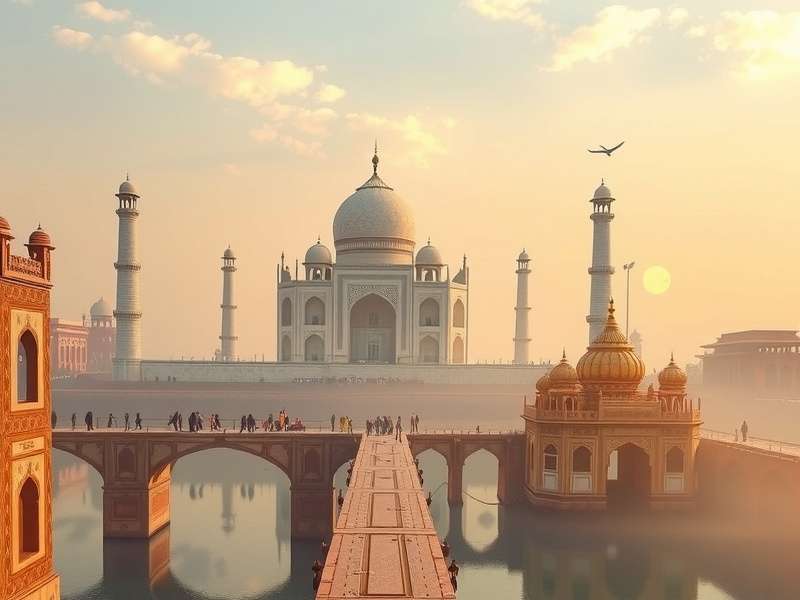
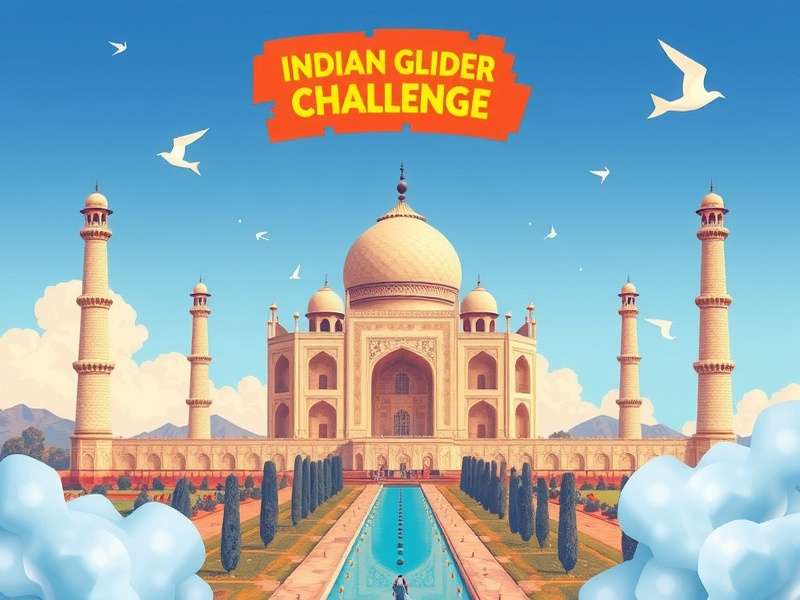
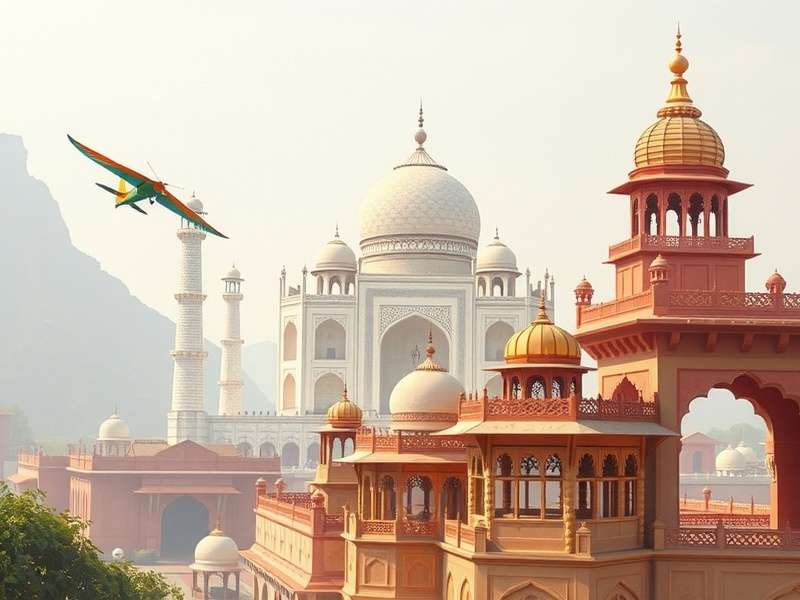
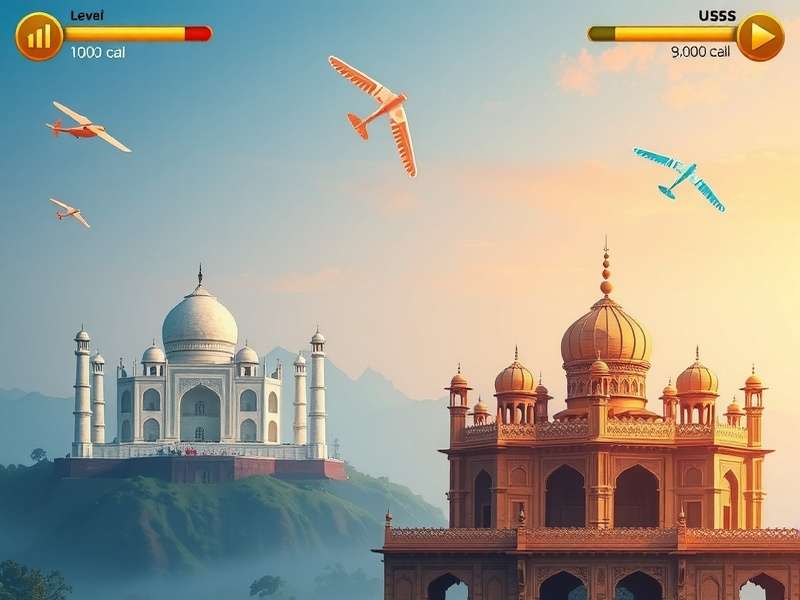
Here’s a closer look at some of the most popular landmark levels in Indian Glider Challenge:
Taj Mahal (Agra)
The Taj Mahal level is one of the game’s most visually stunning, featuring a detailed 2D recreation of the iconic white marble monument. Players fly around the Taj Mahal, avoiding flying lanterns (Diwali-themed) and floating flower garlands. The level’s obstacles are inspired by Mughal architecture, including archways and minarets. Collectible items include marigold garlands (bonus points) and silver coins shaped like Mughal coins. The background music features classical Indian instrumental tunes, with sitar and tabla melodies that evoke the monument’s historical significance.
Gateway of India (Mumbai)
The Gateway of India level is set against the backdrop of Mumbai’s iconic waterfront. Players navigate through ships in the harbor, dodge seagulls, and avoid auto rickshaws and local trains on the nearby streets. The level features dynamic weather effects, including rain and fog, which add to the challenge. Collectible items include coconut water bottles (bonus points) and coins shaped like Mumbai’s local currency. The background sound effects include the honking of auto rickshaws, the sound of waves, and local train announcements in Hindi and Marathi.
Hawa Mahal (Jaipur)
The Hawa Mahal level is inspired by Jaipur’s “Palace of Winds,” with its distinctive pink sandstone architecture. Players fly through the palace’s windows, avoid peacocks (India’s national bird), and collect bangle-shaped coins. The level’s obstacles include camel carts and hot air balloons decorated with Rajasthani folk art. The background music features Rajasthani folk tunes, with the sound of the dholak and harmonium. Collectible items include bangles (bonus points) and ladoos (which fill the desi meter).
Golden Temple (Amritsar)
The Golden Temple level is a serene and spiritual experience, featuring a recreation of the sacred Sikh shrine. Players soar over the temple’s sacred lake, avoid prayer flags, and collect coins shaped like kadas (Sikh bangles). The level’s obstacles include floating flower petals and prayer beads. The background features Gurbani recitations and peaceful instrumental music, creating a calming atmosphere. Collectible items include prasad (bonus points) and holy water bottles (which grant a temporary shield).
Other landmark levels include the Red Fort (Delhi), Charminar (Hyderabad), Qutub Minar (Delhi), Konark Sun Temple (Odisha), Meenakshi Temple (Madurai), and the Himalayas (Uttarakhand). Each level is designed to not only entertain but also educate players about India’s rich cultural heritage, with brief in-game facts about each landmark that appear when players collect special “heritage coins.”
Festival Celebrations
Indian Glider Challenge celebrates all major Indian festivals with limited-time events and exclusive content. These events are some of the most popular in the game, with millions of players participating to unlock festival-themed rewards. The IGC team works closely with cultural experts to ensure that each festival is represented accurately and respectfully, capturing the essence of the celebration.
Diwali 🎆
The Diwali event is the game’s biggest festival celebration, running for 15 days in October/November. The game’s levels are decorated with fairy lights, rangoli, and diyas, creating a festive atmosphere. Obstacles include firecrackers (which explode if you get too close) and flying lanterns (which drift across the screen). Power-ups include the “Diwali Rocket” (which clears all obstacles in a line) and the “Lakshmi Blessing” (which doubles coin collection for 20 seconds).
Players can unlock exclusive Diwali-themed rewards, including a Diwali lantern glider, a character dressed as a pandit, and rangoli-themed power-ups. The event also features a special “Lakshmi Puja” mission, where players collect diyas to light up a virtual temple. The background music features traditional Diwali songs, with the sound of firecrackers and temple bells adding to the festive mood.
Holi 🎨
The Holi event runs for 10 days in March, featuring levels covered in colorful powder. Obstacles include water balloons (which slow you down if they hit you) and dandiya sticks (which spin across the screen). Power-ups include the “Color Blast” (which clears obstacles and paints the screen with Holi colors) and the “Bhang Boost” (which grants invincibility and a speed boost for 15 seconds).
Exclusive rewards include a Holi water gun glider, a character dressed in traditional Holi attire (with a face covered in colored powder), and color-themed power-ups. The event also features a “Rang Barse” mission, where players collect color packets to create a virtual rangoli. The background music features popular Holi songs, with the sound of dandiya sticks and laughter adding to the festive atmosphere.
Navratri 🕺
The Navratri event celebrates the nine nights of worship, with levels decorated with garba decorations, diyas, and torans. The gameplay is synced to garba music, with obstacles (like dandiya sticks and traditional Gujarati thalis) moving in time to the beat. The “Garba Rhythm” power-up makes it easier to dodge obstacles by syncing the glider’s movement to the music.
Exclusive rewards include a garba-themed glider (shaped like a dandiya stick), a character dressed as a garba dancer, and garba-themed power-ups. The event also features a “Navratri Garba” mission, where players collect garba sticks to unlock a special dance animation for their character. The background music features traditional garba and dandiya songs, with the sound of clapping and dancing adding to the festive mood.
Ganesh Chaturthi 🙏
The Ganesh Chaturthi event runs for 10 days in August/September, featuring levels with Ganesh idols, modaks (Ganesh’s favorite sweet), and pandals. Obstacles include flower garlands (which wrap around the glider if hit) and pandal decorations (which fall from above). Power-ups include the “Ganpati Blessing” (the game’s most powerful power-up, which transforms the glider into a giant Ganesh idol) and the “Modak Magnet” (which attracts coins and special items).
Exclusive rewards include a Ganesh-themed glider, a character dressed as a priest, and modak-shaped power-ups. The event also features a “Ganesh Visarjan” mission, where players guide a virtual Ganesh idol to the sea. The background music features traditional Ganpati aartis and devotional songs, with the sound of temple bells and prayers adding to the spiritual atmosphere.
Other festivals celebrated in the game include Makar Sankranti (kite-flying event), Pongal (Tamil harvest festival), Onam (Kerala harvest festival), Eid (with special Islamic-themed decorations and rewards), and Christmas (with Indian-style decorations like mango-shaped Christmas trees).
Desi Characters and Stories
The game’s characters are one of its most beloved features, as they’re all inspired by real-life Indians with relatable backstories. Each character hails from a different region of India, representing the country’s linguistic and cultural diversity. The IGC team worked closely with regional writers and storytellers to create characters that feel authentic and relatable, avoiding stereotypes and clichés.
For example, Ravi the Farmer (from Punjab) is a hardworking farmer who uses his glider to transport crops to market faster than traditional methods. His backstory involves struggling with low crop prices and using the glider to increase his income, which resonates with many rural players. His dialogue is in Punjabi (with subtitles), and he often references Punjab’s culture—like bhangra, sarson ka saag, and makki ki roti. He also makes jokes about the weather and farming, adding a touch of humor to the game.
Priya the Student (from Chennai) is a college student who loves adventure and exploring her city. Her backstory is about wanting to see more of India but not having the money to travel, so she uses her glider to visit iconic landmarks virtually. Her dialogue is in Tamil, and she references Chennai’s landmarks (like Marina Beach and Kapaleeshwarar Temple) and food (like dosa, idli, and filter coffee). She also talks about her studies and friends, making her relatable to young players.
Meera the Artist (from Rajasthan) is a folk artist who travels across India to paint folk art on landmarks. Her backstory is about preserving traditional art forms that are dying out, and she uses her glider to reach remote areas where she can teach local children about folk art. Her dialogue is in Hindi with a Rajasthani accent, and she references Rajasthan’s culture—like camel rides, ghagra cholis, and folk music. She also shares interesting facts about Indian art and culture, educating players while entertaining them.
The characters’ dialogues are recorded by voice actors from their respective regions, ensuring that their accents and mannerisms are authentic. This attention to detail has made the characters beloved by players, who often see themselves or people they know in them. Many players have taken to social media to share how they relate to a particular character, with some even dressing up as their favorite character for festivals.
Sound Design and Music
The sound design of Indian Glider Challenge is another key element of its cultural integration. The game features original music composed by Indian musicians, with each level having a soundtrack that reflects the region’s folk music. The IGC team worked with regional musicians and composers to create music that is both authentic and engaging, avoiding generic “Indian-style” music that is often used in international games.
For example:
- North Indian levels (Delhi, Punjab) feature bhangra and classical Hindustani music, with instruments like the dholak, tabla, and sitar.
- South Indian levels (Chennai, Bangalore) feature Carnatic music and Tamil folk tunes, with instruments like the veena, mridangam, and nadaswaram.
- West Indian levels (Mumbai, Gujarat) feature garba, dandiya, and marathi folk music, with instruments like the dhol, harmonium, and tambura.
- East Indian levels (Kolkata, Assam) feature Rabindra Sangeet, Bihu, and bengali folk music, with instruments like the esraj, dotara, and flute.
The game also includes sound effects that are familiar to Indians, like the honking of auto rickshaws, the chimes of temple bells, the crackling of Diwali firecrackers, the sound of chai being poured, and the chatter of street vendors. These sound effects create an immersive experience that makes players feel like they’re flying through real Indian streets and landmarks.
In addition, the game supports 15 Indian languages, including Hindi, Tamil, Telugu, Bengali, Kannada, Malayalam, Marathi, Gujarati, Punjabi, Bhojpuri, Odia, Assamese, Urdu, Konkani, and Manipuri. Players can switch between languages in the settings menu, making the game accessible to non-Hindi speakers—a crucial feature in a linguistically diverse country like India. The game’s UI, dialogues, and in-game instructions are all translated accurately, with regional variations where appropriate (like using “anna” instead of “rupee” in Tamil Nadu).
Player Base and Community
Indian Glider Challenge has built one of the most active and engaged gaming communities in India, with millions of players interacting with the game and each other across social media, forums, and in-game events. The game’s community is diverse, with players of all ages, genders, and backgrounds—united by their love for desi gaming and Indian Glider Challenge.
Demographics
According to data from Daman Games, Indian Glider Challenge’s player base is spread across India, with a strong presence in both urban and rural areas. Here’s a detailed breakdown of the game’s demographics (as of 2025):
-
Age:
- 12-17 years: 25% (teenagers who enjoy the game’s colorful graphics and simple controls)
- 18-25 years: 60% (young adults and college students who are the game’s core audience, drawn to its cultural relevance and competitive elements)
- 26-40 years: 15% (working professionals who play the game during commutes or breaks, attracted to its nostalgic elements and stress-relieving gameplay)
-
Gender:
- Male: 60%
- Female: 40%
This is a higher percentage of female players than most mobile games in India (which typically have a 25-30% female player base). The game’s inclusive characters, family-friendly content, and cultural themes have helped attract more female players.
-
Region:
- Tier 1 cities (Delhi, Mumbai, Bangalore, Chennai, Kolkata): 40%
- Tier 2 cities (Lucknow, Jaipur, Ahmedabad, Pune, Hyderabad): 35%
- Tier 3 cities and rural areas: 25%
The game’s low file size (45MB for Android) and offline playability have made it accessible to players in rural India, where mobile gaming is growing rapidly. In fact, the game’s highest growth rate in 2024 was in rural areas, with a 75% increase in downloads from tier 3 cities and villages.
-
Language:
- Hindi: 45%
- Tamil/Telugu: 25%
- Bengali/Kannada/Malayalam: 15%
- Other regional languages: 15%
The game’s multilingual support has been key to its success across India, with